
 Countries
Singapore
Meet Singapore's trading and distribution hubs.
Company directory
Businesses in this directory
A live count of businesses listed for this market. Directory access is separate from the member directory.
Singapore is Asia's premier trading and financial hub — a neutral, English-speaking city-state with world-class port and airport infrastructure, zero corruption, and a business-friendly regulatory environment. It serves as a regional headquarters and distribution centre for companies trading across Southeast Asia, India, and the broader Asia-Pacific region.
Top trading sectors in Singapore
Sourcing advantages in Singapore
- Zero corruption, English-speaking market with a transparent legal system
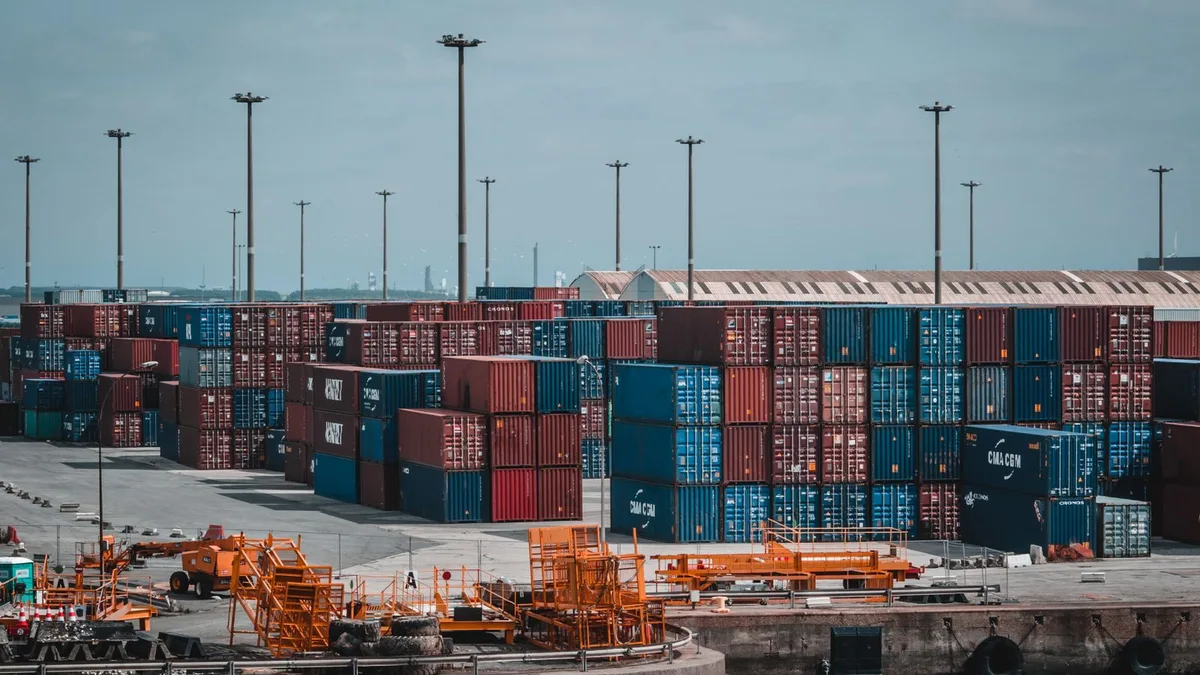
- Port of Singapore — one of the world's busiest transshipment hubs
- Preferred regional headquarters location for ASEAN market access
Trade & compliance notes
Singapore has one of the world's most open duty environments (most goods enter duty-free); GST (9%) applies to domestic sales; MAS-regulated payments infrastructure supports regional trade finance.
Frequently asked questions
Connect with partners in Singapore
Register your company and instantly discover verified suppliers and buyers.