
 Countries
Netherlands
Reach Dutch traders and logistics-led suppliers.
Company directory
Businesses in this directory
A live count of businesses listed for this market. Directory access is separate from the member directory.
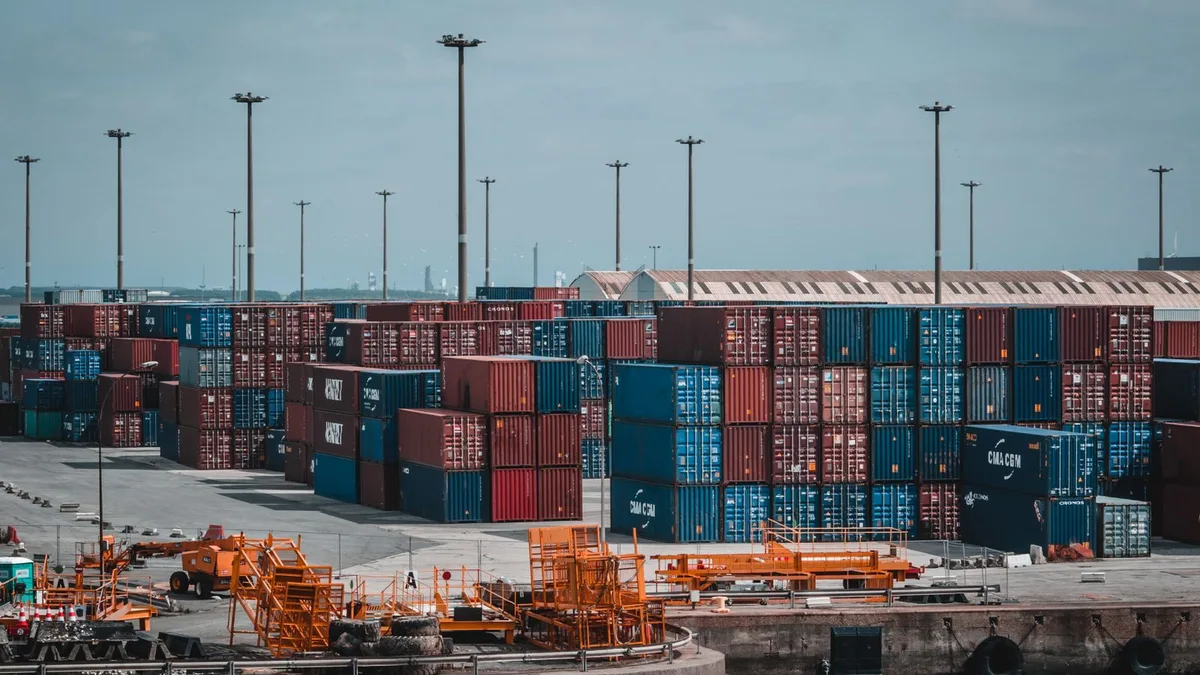
The Netherlands is Europe's largest logistics hub, home to the port of Rotterdam — Europe's busiest deep-sea port — and Schiphol Airport, a top air cargo hub. Dutch traders specialise in re-export and distribution, with major clusters in chemicals (Rijnmond), agri-food, and high-tech systems.
Top trading sectors in Netherlands
Sourcing advantages in Netherlands
- Port of Rotterdam — Europe's primary entry point for containerised goods
- World-class cold-chain infrastructure for perishables and pharma
- Transparent, English-speaking trade environment with strong rule of law
Trade & compliance notes
The Netherlands is widely used as an EU import clearance hub; a single customs entry via Rotterdam covers onward movement across all 27 member states; Dutch BTW (VAT) registration is required for sellers.
Frequently asked questions
Connect with partners in Netherlands
Register your company and instantly discover verified suppliers and buyers.