
 Countries
Spain
Find Spanish suppliers across industry and food.
Company directory
Businesses in this directory
A live count of businesses listed for this market. Directory access is separate from the member directory.
Loading directory
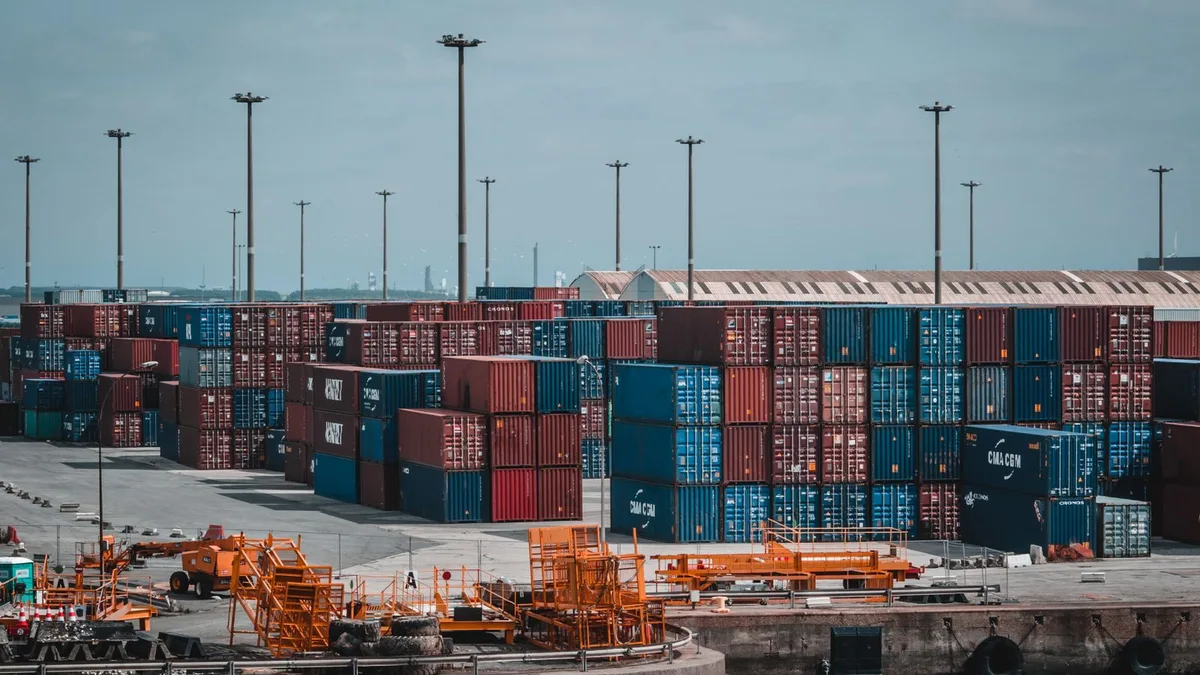
Spain is the EU's fourth-largest economy with significant manufacturing in automotive, food and beverages, chemicals, and renewable energy equipment. Its Atlantic and Mediterranean ports — Valencia, Barcelona, and Algeciras — make it a natural hub for trade with Latin America and North Africa.
Top trading sectors in Spain
Agriculture & FoodSource verified growers, processors and food & beverage exporters.AutomotiveConnect with OEMs, tier suppliers and aftermarket parts makers.Energy & EnvironmentMeet renewables, power and environmental-technology partners.ChemicalsFind specialty, industrial and fine-chemical suppliers and buyers.Fashion & ApparelSource garment manufacturers, brands and apparel wholesalers.
Sourcing advantages in Spain
- Gateway to Latin American markets via shared language and cultural ties
- Competitive manufacturing costs relative to core Western Europe
- World-leading renewable energy know-how and equipment exporters
Trade & compliance notes
All goods must comply with EU CE/REACH standards; Spain's ICEX agency facilitates supplier matchmaking; agricultural exports are subject to EU phytosanitary rules.
Frequently asked questions
Automotive assembly concentrates in Catalonia, Valencia, and the Basque Country, olive oil and produce come from Andalusia and Murcia, ceramics from Castellón, and wine from La Rioja and Ribera del Duero. Valencia, Barcelona, and Algeciras are the leading container ports.
Shared language, legal traditions, and long-standing business ties make Spanish suppliers effective intermediaries for firms entering Latin American markets. Atlantic ports and direct shipping lanes reinforce Spain's role as a re-export and distribution base for the region.
Manufacturers apply EU CE marking and REACH compliance, food and wine producers carry DOP/IGP provenance and IFS/BRCGS food-safety certification, and renewable-energy firms hold IEC-certified equipment credentials. Organic produce uses the EU organic and CAAE marks.
More markets in Europe
Connect with partners in Spain
Register your company and instantly discover verified suppliers and buyers.