
Company directory
Businesses in this directory
A live count of businesses listed for this market. Directory access is separate from the member directory.
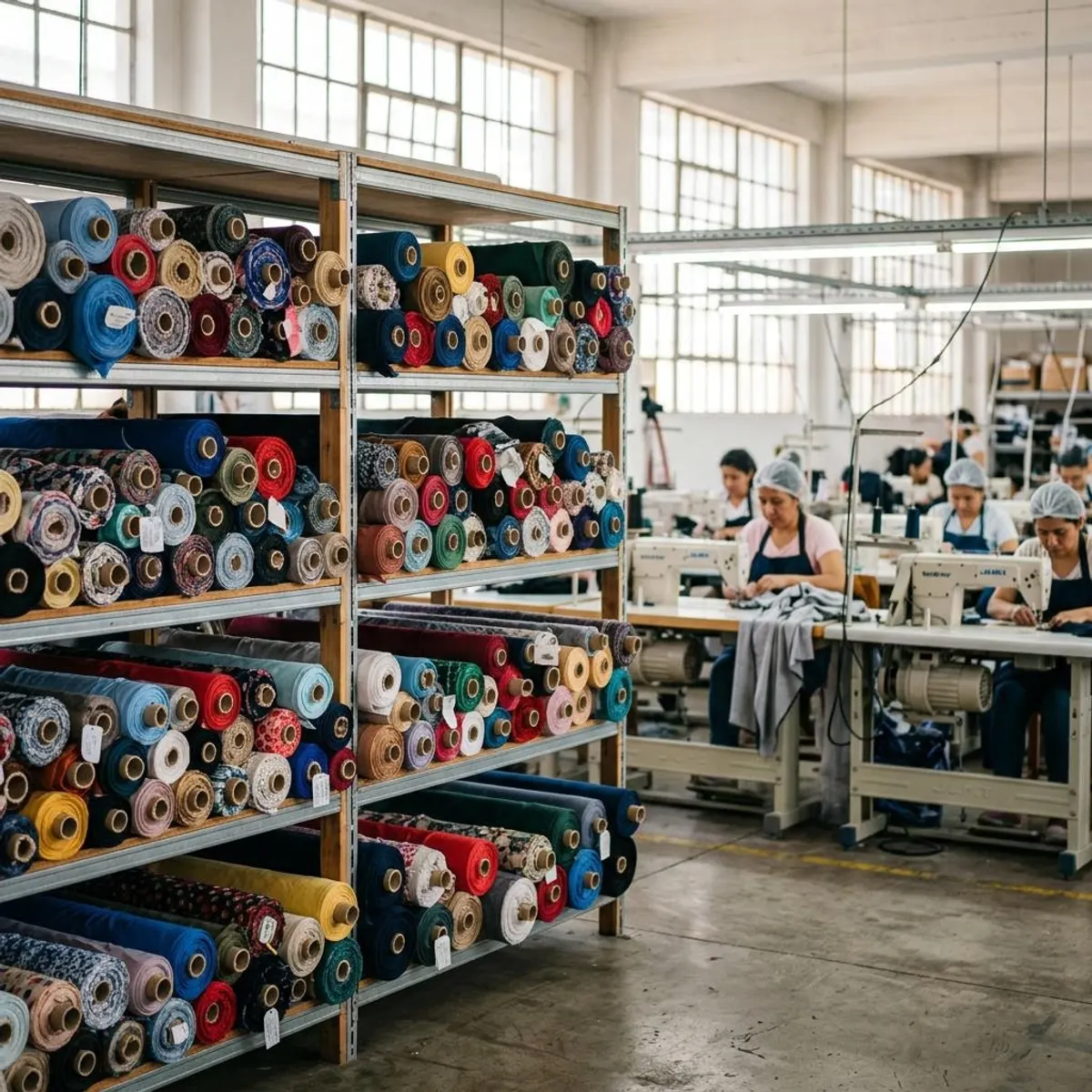
Fashion buyers balance speed-to-market with ethical sourcing, pushing manufacturers to prove compliance on labour standards and material traceability. B2Business Hub connects garment manufacturers, footwear producers, and private-label factories with brands and wholesale buyers globally.
B2Business Hub connects verified Fashion & Apparel suppliers and buyers worldwide. Search the network, verify partners and start trading with confidence across borders.
Key sectors
- Ready-to-wear
- Footwear
- Accessories
- Private label
- Activewear
What buyers should check
- Request social-compliance audit reports (e.g. BSCI, WRAP, SA8000) before placing orders
- Ask for fabric composition and care-labelling documentation for the destination market
- Check minimum order quantities, sampling lead times, and size-run flexibility
- Verify restricted-substance testing (e.g. AZO dyes, REACH) on finished garments
What suppliers should prepare
- Keep social-compliance and restricted-substance test certificates current
- Offer digital lookbooks, tech packs, and fast sample turnaround to win orders
- Be flexible on MOQs and private-label terms to attract smaller wholesale buyers
- Highlight sustainable or certified-organic material options where available
Compliance & trade notes
Apparel exports typically require fibre-content and care labelling for the destination market, plus restricted-substance testing and increasingly social-compliance audit evidence.
Frequently asked questions
Top sourcing markets
Related industries
Helpful guides
Find Fashion & Apparel partners today
Register your company and instantly discover verified suppliers and buyers.